Industry Insights

The Hotel Concierge Is Not a DMC
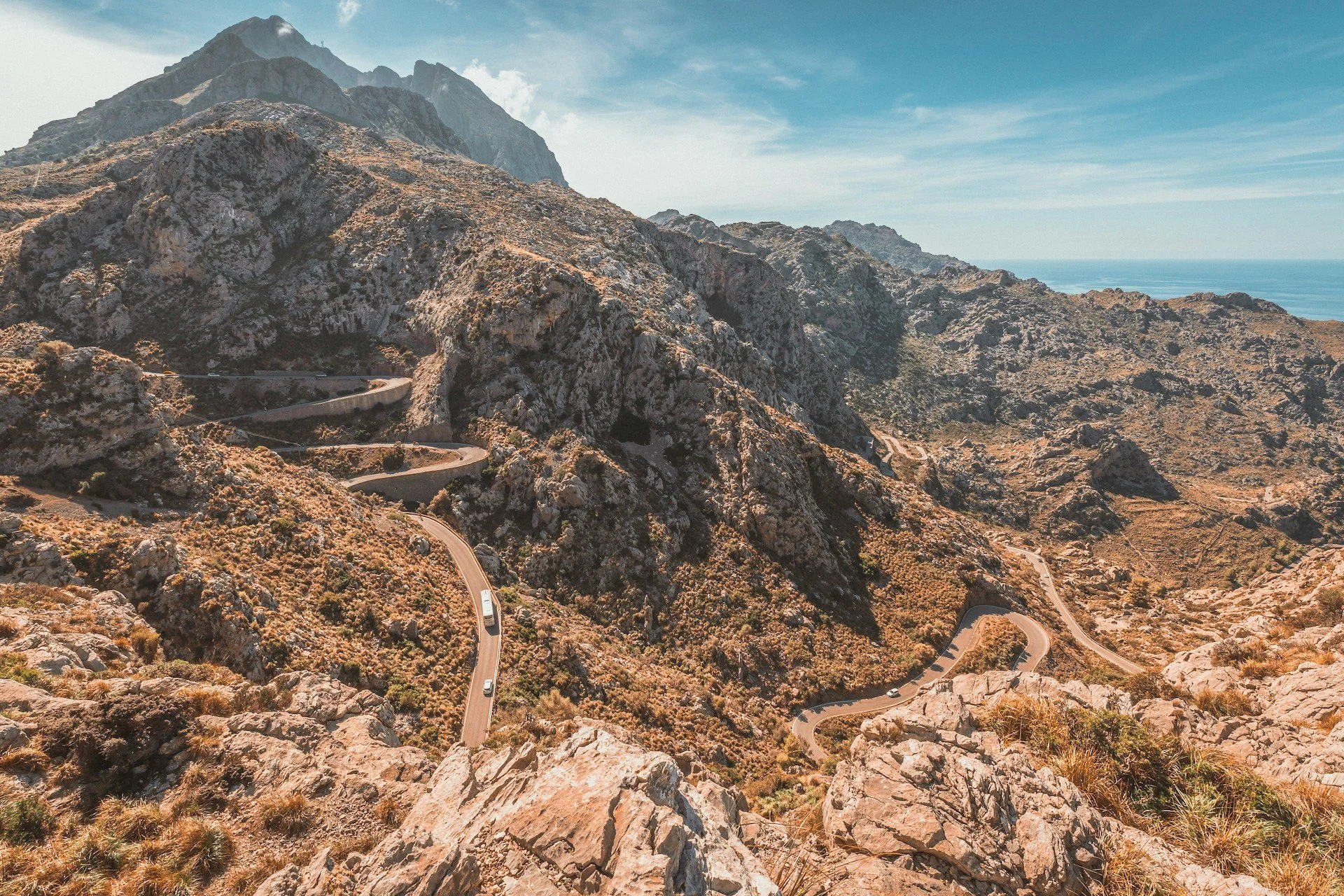
Private charter yacht in Mallorca
Ask an agent about the hotel concierge and you get the same line: they were not very helpful.
Ask the concierge about the agent and you get a shrug, because the request did not come from the person they are paid to serve.The question that decides it: base or move?
A concierge serves the guest in the building, in person, right now. An agent is further back, planning for someone who is not at the desk yet, often weeks ahead and in another country. Both roles matter. They just run on different rules.
What the concierge is built for
A concierge is built for the small and the immediate. A table tonight at the restaurant that is full. A cab in ten minutes. A spa slot this afternoon, flowers to the room, a doctor who comes to the hotel. The guest asks, the concierge says yes, and everyone is happy before they leave the desk.
That is a genuine skill, and the best hotels in the Balearics are brilliant at it. It works because it is close, quick and personal, all of it inside the property line.
Where it gets harder
The challenge comes when the same request travels through the agent instead. Two things tend to get in the way.
The first is time. An email from a travel agency is not a guest waiting at the desk, so it joins a queue behind the lobby. A reply can take a day, or two, or may not come at all while the team is looking after the building. From the agent's side it feels slow. From the concierge's side it is simply the wrong door for that kind of request.
The second is who carries it. A booking made for a guest who has already checked out is not really anyone's to own at the desk. If the wind picks up and the boat day shifts, the team finished their shift hours ago, and that leaves the agent holding the thread on their own.
The phrase you hear
This is why the same gentle complaint comes up now and then: not as helpful as I hoped. It is not about effort. It is a simple mismatch of jobs. A concierge works beautifully inside one system, close and in person, and a request from a travel agency sits just outside that system.
It helps to think of the two as neighbours rather than rivals.
Where it does help
There is one case where the desk is genuinely useful to the agent, and it is worth saying out loud. When the client is already in the resort and wants something small, today, inside the property, the concierge is the right person and the fastest route. A late checkout, a table, a spa slot. Quietly point the client to the desk for those, and keep the wider trip with you. It is the one moment where the two line up perfectly.
Where the DMC fits
We exist to answer agents. That is the whole business. Requests come in, quotes go back in writing and in business hours, at net. One person owns the booking from the quote to the last transfer, and is there at 7am if the sea turns, because the day was ours to run in the first place.
That is the real difference. Turnaround, and a name attached to it.
The clean split
The easiest way to work with a hotel is to divide the job clearly. Let the concierge look after the in-property things: spa, restaurant, crib, a late checkout, whatever the guest thinks of between lifts. They are excellent at all of it, and the guest has already paid for that access.
Keep the days out with the DMC. Anything booked before the client lands, anything with a fixed time, anything where a slip costs money. Transfers, boats, guides, inter island legs. That is the part that needs a contract and a careful eye, and it is what we are here for.
What to tell the client
Something close to this works well:
"The hotel looks after anything inside the property. Your days out, your boats and your transfers are handled by our operator in the Balearics. Same island, two different jobs. "Said early, before the client starts leaning on the desk, it sets clear expectations and saves a lot of back and forth later.
A good hotel and a good DMC are not competing for the same job. One looks after the guest in the room, the other looks after the trip around them. When the two agree on the split early, the client gets the best of both, and the agent stays the person who knows how the island really works.
If you would like the split mapped out before you send a quote, get in touch and we will go through it with you, island by island
Mallorca or Menorca for a Walking Trip? A DMC's Honest Answer
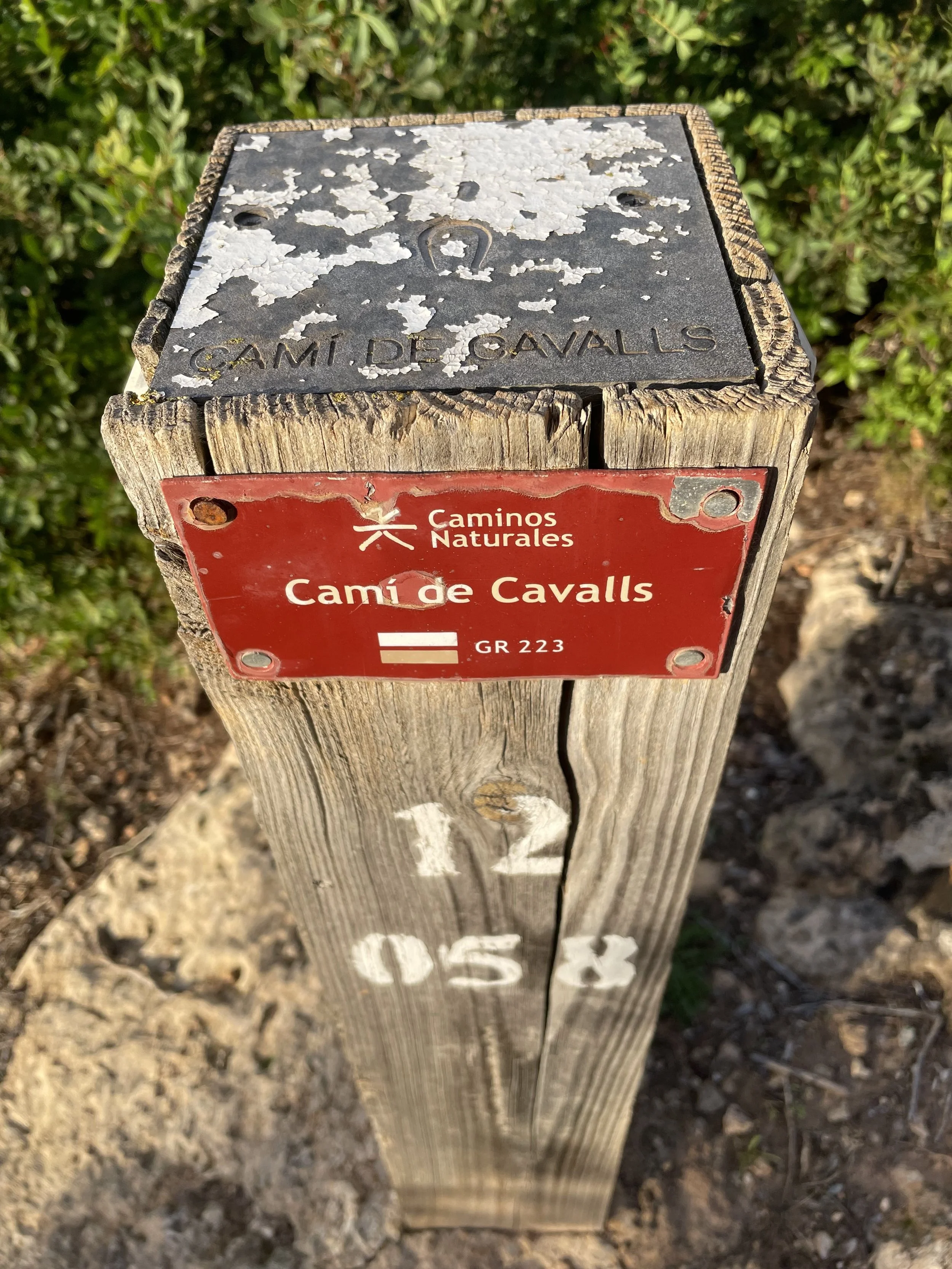
Mallorca cami de cavalls sign
Travel agents ask us this more than almost any other walking question. Two beautiful islands, both with UNESCO-protected trails, both doable in the same week. So which one do you sell?
The short answer: they are not competing versions of the same trip. They are two different trips that happen to involve walking. One is a moving trip, the other is a base trip. Get that match right and the itinerary almost plans itself.
Here is how we actually think about it on the ground.
The question that decides it: base or move?
Every walking client falls into one of two camps. Some want one hotel, unpack once, and set out on a different route each morning. Others want to wake up somewhere new every day and watch the coast change under their feet.
That single choice points you to the island.
Menorca wins for the move. The Camí de Cavalls is 185 kilometres of trail wrapping the whole island in 20 official stages. You can genuinely sleep in a different village each night, Ciutadella to Maó, and never backtrack. The trail is the trip.
Mallorca wins for the base. The Serra de Tramuntana is dramatic, dense and mountainous, with Deia and Soller as anchor points. But the island is bigger, roads get involved, and the smart way to do it is one well-placed hotel with day routes radiating out. Trying to hotel-hop the Tramuntana means more taxi time than trail time.
Ask the client which picture they want. The answer is usually instant.
Menorca: walk the gems, taxi the grind
The Camí de Cavalls is flatter than people expect, which is exactly why it works for FIT clients. You can cover real distance without the client being a mountaineer. Four to five hours a day, proper coastal scenery, and the day ends at a hotel with a pool.
The honest part: hotels do not sit on the trail. Each one is 0.5 to 2 kilometres from it, so every day includes a short access leg. And some stages are long and flat in the wrong way. The art is knowing which sections to walk and which to skip.
Our standard pattern is walk the gems, taxi the grind. A typical four-day Menorca route runs Ciutadella to Binibeca through Son Vell, Fontenille and Torralbenc. Three of the four days are pure walking, around 25 kilometres of the best coast on the island: Son Saura, Macarella, Macarelleta, Cala en Turqueta, the cliffs into Cala Galdana. The two ugly stretches get a transfer assist. Clients never feel cheated, because they are walking the parts worth walking and skipping the parts that would bore them.
Daily luggage transfer keeps it light. The client walks with a daypack, the bags meet them at the next hotel, and nobody has to think about logistics. That is the version agents actually sell, and it is the version that gets rebooked.
Mallorca: walking + everything else
The Tramuntana is the harder, more spectacular walk. Rocky ridges, olive terraces, villages stacked on hillsides. It suits clients who want a challenge, or who want walking as one ingredient in a fuller trip rather than the whole meal.
That last point matters. Mallorca is the better choice when the client wants variety: three walking days, yes, but also a boat day, a serious dinner, a winery. The supplier base is wider and more flexible, so you can mix a hike with a yacht charter or a Michelin lunch without any friction. Menorca is quieter by design and the evening options are simpler.
For a pure walking product, Menorca. For a walking trip plus, Mallorca.
When to send them
October is the sweet spot on both islands. Summer heat is gone, trails are empty, and the light does the heavy lifting. Menorca hotels on the Camí de Cavalls stay open through October, which is not true of every Mallorca mountain property, so check dates before promising anything.
A real four-day Menorca route
To make this concrete, here is a route we actually build for FIT walking clients. It runs west to east, Ciutadella to the southeast coast, and it shows the pattern.
Day one starts at Can Faustino in Ciutadella and moves to Son Vell. The full stage is too long for a four-hour walker, so a taxi takes the flat start and the client walks the last scenic stretch into Son Saura. Day two is the highlight: Son Vell to Fontenille via Cala Galdana, about ten kilometres through Son Saura, Macarella and Macarelleta, with the cliffs into Cala Galdana at the end. A short taxi closes the gap to the hotel. Day three is easy, five to eight kilometres from Fontenille to Torralbenc. Day four finishes at Binibeca Vell, a working fishing village, through Binissafúller.
Three days of pure walking, two tranasfer assists, luggage moved daily, and every night in a different hotel. Clients remember it as a walk, not a transfer puzzle. That is the product becuase that is what sells.
Clients who want peace, nature and a slow pace should be in Menorca. Clients who want scenery plus options should be in Mallorca. Agents who frame it that way come across as experts, because it is the truth.
Need a walking itinerary priced for a specific client? Tell us the dates, the pace and the hotels you are thinking about, and we will come back with the walk and taxi legs, the luggage transfer and the overnight plan. That is what a local DMC is for.
Balearic Touring is a DMC covering all four islands, with local teams in Mallorca and Menorca. If you are deciding between the two for a walking client, we can price both and you can compare apples with apples.
Why Formentera Works as a 2-3 Day Add-On for Ibiza FIT Clients
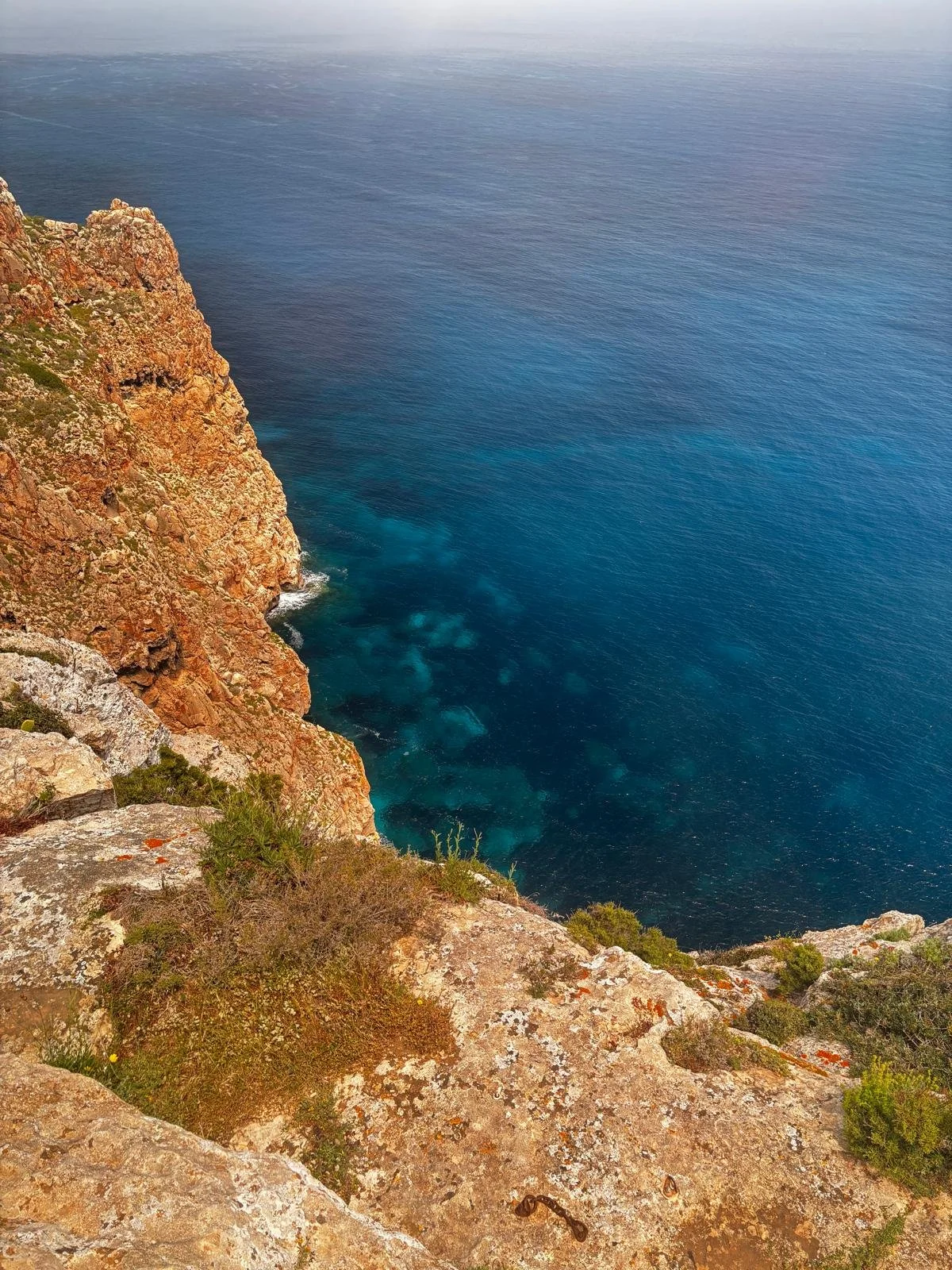
Formentera is the smallest of the Balearics and the one where nothing happens. That is exactly why your clients will thank you for sending them there.
Most FIT clients going to Ibiza don't know Formentera exists until someone tells them about it. When that someone is their travel agent, it looks like insider knowledge. It is.
The Pitch in One Sentence
"Formentera is Ibiza without the schedule. White sand, turquoise water, no clubs, no queues. You do nothing for three days and it feels like a week."
That is the sell. It works on everyone who has ever complained about a holiday being too busy.
Why 2-3 Days Is the Sweet Spot
Formentera is 12km end to end. You can see the whole island on a scooter in a morning. Three days is enough to settle in without getting bored. Four nights in a hotel or a villa rental, three full days on the island, and your client comes back relaxed instead of exhausted.
Longer stays work too, but only with a villa. Hotels on Formentera are good but limited. A private villa with a pool near the beach is the better option for stays beyond 3 nights. Minimum rental is usually 7 nights in peak season.
What Your Clients Actually Do There
This is the easy part because the answer is "not much."
- Morning on a beach where the water is clear enough to see your toes.
- Lunch at a place with no walls and sand on the floor.
- Afternoon nap or a scooter ride to a lighthouse.
- Sunset at a beach club with a drink and no music.
The best Formentera days are the ones with no plan. Clients who try to pack it full of activities miss the point.
What You Can Book Through Us
Yacht charters. 4 to 8 hours from La Savina port. Drop anchor at coves you cannot reach by land. Lunch on board or pull into a beach club. We have several boat options and can match the right one to the group.
Scooter or jeep rental. Delivered to the hotel. Formentera is flat and the roads are quiet. A scooter is all anyone needs. Jeeps for couples who prefer four wheels.
Villa rentals. Minimum 7 nights, always with a pool, always near a beach. Clean lines, outdoor shower, a terrace for every meal. The kind of place where you leave the door unlocked.
Restaurant bookings. The hard tables. Casita. Beso Beach. Can Carlitos. Chez Gerald. Juan y Andrea. Some need weeks of notice. Some need someone who knows the owner. We handle both.
Getting There
Ferry from Ibiza to La Savina takes 25 to 45 minutes depending on the boat. They run year round, every 30 minutes in summer. We arrange a private transfer from the client's Ibiza hotel or the airport to the ferry terminal. Meet and greet on the Formentera side with someone holding a sign and a cold bottle of water.
If your client wants to skip the ferry queue entirely, a private speedboat transfer from Ibiza to Formentera takes about 25 minutes. We can arrange that too.
A Note on Timing
Formentera is best May through October. July and August are the busiest months but the island handles crowds better than Ibiza because there is simply less to queue for. The beaches are big, the water is warm, and the restaurant terraces are set back from the sand so they never feel packed.
Late September is the sweet spot. Still warm enough to swim, the crowds thin out, and the light in the afternoon turns everything gold. If your client has flexibility on timing, that is the window to push.
Who This Is For
FIT clients in their 30s to 50s who have done Ibiza before. Couples who want time alone without the resort bubble. Small groups of friends who want to share a villa and cook dinner together rather than fight for restaurant tables. Anyone who says "we just want to relax."
It is not for first-time Ibiza visitors who want to party. It is not for families with young kids who need entertainment on tap. It is not for anyone who asks "what is there to do?" more than once.

New Direct Flights to Mallorca in 2026
Every time a new direct route opens to the Balearic Islands, something shifts for all islands.
Not just in the airline schedules, but in how travel agents plan. A direct flight changes arrival times, luggage limits, transfer routes, and the rhythm of the first day. It also changes expectations. Clients who book a nonstop assume the ground experience will match the convenience of the flight.
2026 has been a big year for new routes into Palma de Mallorca. Three in particular are worth paying attention to if you plan FIT itineraries in the Balearics.
The first is Air Canada's Montreal to Palma service, launching June 2026 on the A321XLR. This is the first direct connection between Canada and the Balearics. Canadian agents are now fielding inquiries about a destination many of them have not sold before. The airline has been actively FAMing agents to Palma, which means more trained advisors will be recommending Mallorca to clients who previously considered Greece or Italy.
Then there is BA CityFlyer's Glasgow to Palma route, which started May 9. This is the first direct link between Scotland and the Balearics. It opens a market that previously required connections through London or Manchester.
And United Airlines continues to grow its Newark to Palma service with a 30 percent seat increase, responding to sustained US demand.
Then there is Etihad's Abu Dhabi to Palma service, launching June 12 with three flights a week on Tuesdays, Fridays and Sundays. This is the first direct connection between the GCC region and the Balearics. For agents working with UAE, Middle Eastern and Asian clients, this changes the logistics entirely. No more connections through London or Frankfurt. Clients from Abu Dhabi, Dubai, Singapore and beyond now have a direct option into Palma.
More seats mean more clients. More clients mean more inquiries. And more inquiries mean agents need reliable ground support they have not had to vet before.
Here is what changes operationally when a new direct route lands.Arrival time shifts matter more than you think.
New flights often arrive at different times of day than traditional connections. A client who arrives at 10am has very different needs from one who lands at 10pm. Early arrivals create a gap before hotel check in, which standardly sits at 3pm or later across most Balearic properties. That gap needs to be filled with something useful, not just dead time at a luggage hold.
Villa rentals add another layer. Many luxury villas enforce Saturday to Saturday policies during peak season. A client arriving on a Wednesday on a new direct flight cannot walk into the villa until Saturday without paying for extra nights. That needs to be planned around from day one.
The Saturday to Saturday policy is one of the most underestimated constraints in Balearic FIT planning. It affects arrival day structure, activity sequencing, and how many nights a client actually needs to book. Agents who know about it in advance can structure the first few days around hotels or fincas that offer flexible check in, then transition to the villa when it becomes available.
Direct flights also change the luggage conversation. Clients arriving nonstop from North America often bring more luggage than those who connect through a European hub. Baggage allowances are more generous on long haul flights, and clients take advantage of it. That affects transfer vehicle choice, especially for families of four or more.
The same applies to sports equipment. Golf clubs, cycling gear, paddleboards. Direct flights make it easier to bring specialist equipment. Agents should confirm with ground partners whether vehicle capacity accommodates oversized luggage before quoting private transfers
For agents building Balearic itineraries for the first time, or expanding into new source markets, the question is not whether these clients will come. The routes are active, the seats are available, and the curiosity is there.
The question is whether the ground support is ready.
Early arrivals, Saturday to Saturday villa policies, luggage logistics, and the pacing of the first day all need to be buttoned up before the client books. A DMC that knows these patterns can make the difference between a trip that flows and a trip that feels like a series of problems to solve.
If you are getting more Balearic requests than usual this season, you are not alone. The routes are doing exactly what they were designed to do.
Shoulder Season What Travel Agents Should Know About September and October
Why the Shoulder Season Is No Longer a Fallback
For many years, September and October in the Balearic Islands were treated as a consolation prize. Clients who couldn't travel in July or August would consider them reluctantly, and agents would present them apologetically.
That framing no longer reflects reality.
The shoulder season has become a deliberate choice for a growing number of travelers, particularly those coming from the US, EU, UK, Canada and the UAE. It is not a compromise. It is a different and, for many clients, more satisfying way to experience the islands.
Understanding why this shift is happening — and what it means operationally — allows agents to present these months with confidence rather than hesitation.
What Changes on the Ground
The most immediate difference in September and October is volume. August in the Balearics is heavily pressured. Second-home owners, European families on school holidays, and a concentration of demand from Germany and Scandinavia create conditions where availability is tight, prices are at their highest, and flexibility is limited across almost every service category.
By early September, that pressure begins to lift. Hotels and villas that were locked out for months become available again, often at more reasonable rates and with shorter minimum stay requirements. Restaurants that operate on fully booked rotas in August become accessible without weeks of advance planning. Suppliers who are stretched thin at peak season return to a more responsive rhythm.
For agents, this translates into more room to work. Itineraries that would have been difficult or expensive to construct in August can be built with greater ease and more considered options in September and October.
The Weather Argument
One of the most common concerns agents hear from clients is weather. The assumption is that shoulder season means risk.
In the Balearics, that concern is largely unfounded. September consistently delivers warm temperatures, calm seas and reliable sunshine across Mallorca, Ibiza and Menorca. The water remains warm enough for swimming well into October. Rainfall increases gradually as the season progresses, but it tends to arrive in short, sharp episodes rather than sustained periods that affect a full day's program.
The practical implication is that outdoor activities, boat days and beach time remain fully viable throughout September and into mid-October. For clients who prioritize those experiences, the shoulder season does not require meaningful compromise.
Island Differences Worth Knowing
The shoulder season plays out differently across the three islands, and those differences are worth communicating to clients.
Mallorca has the broadest infrastructure and the most year-round activity. The capital, Palma, operates with a relatively consistent rhythm outside of the August peak, and the island's interior and northern coast can feel genuinely quieter and more considered in September and October. Cycling tourism, walking and wine-related experiences all have strong shoulder season followings.
Ibiza changes character noticeably after the summer. The club scene that defines the island's reputation for much of July and August winds down from late September. What remains is a quieter, more local version of the island that surprises clients who have only experienced it at peak. Restaurants, beaches and the old town become more accessible, and the island's rural and gastronomic side comes into sharper focus.
Menorca is the least seasonally dependent of the three in terms of character. It is calm and contained year-round, but the shoulder season reduces even the relatively modest crowds the island sees in August. For clients who want privacy, nature and a slower pace, September and October on Menorca are as good as it gets.
Planning Considerations for Agents
The shoulder season does introduce some operational details that agents should factor in at the planning stage.
Seasonal closures are the most significant. Some hotels, beach clubs and restaurants in the Balearics operate only during the core summer season and close in October or early November. Confirming supplier availability before building a program avoids the back-and-forth that comes from late-stage changes.
Transport frequency also adjusts. Inter-island ferry schedules reduce in October, and some flight routes operated during peak season do not continue at the same frequency into autumn. For clients combining islands, checking current schedules before confirming an itinerary is a practical step that saves time later.
Villa availability, by contrast, tends to open up considerably. The Saturday-to-Saturday restrictions common in peak season often relax in September and October, giving agents more flexibility on arrival and departure days. For clients arriving on overnight transatlantic flights, this removes one of the more common logistical complications of a summer program.
A Shift Worth Presenting Proactively
The shoulder season in the Balearics is not a niche proposition anymore. It is a mainstream option for clients who value access, availability and a less pressured experience alongside the same destination qualities that draw them in the first place.
Agents who present September and October proactively — rather than waiting for clients to ask — often find the conversation easier than expected. The combination of better availability, more flexible pricing and a quieter environment is straightforward to explain and straightforward to sell.
The shoulder season in the Balearics rewards preparation and honest positioning in equal measure. For agents working with a reliable DMC on the ground, September and October offer the conditions to build better programs, manage logistics more smoothly and deliver a client experience that stands on its own terms rather than in the shadow of peak season.
What Travel Agents Should Know About Planning Trips in the Balearic Islands
The Balearics Are Not One Destination
A common assumption when planning trips to the Balearic Islands is that Mallorca, Ibiza and Menorca are broadly interchangeable. They share a climate and a geography, but operationally they are quite different.
Mallorca is the largest and most developed island. It has the widest infrastructure, the broadest supplier base and the most flexible options across transfers, experiences and accommodation. For agents building a first Balearic itinerary, Mallorca usually offers the most room to work with.
Ibiza carries a strong identity that can work for or against a program depending on the client. Away from the well-known nightlife, the island has a quieter, more considered side — family-friendly areas, genuinely beautiful countryside and a strong food culture. Agents who understand this can offer clients something that surprises them. Those who don't often default to the obvious, which rarely fits a FIT traveler looking for something more personal.
Menorca is the most contained of the three. It is calm, UNESCO-protected and less commercially developed. It works exceptionally well for clients who want privacy, nature and a slower pace. It is also the island where local knowledge matters most, because the options are fewer and the differences between them are more meaningful.
Understanding these distinctions before building a proposal saves time and avoids the back-and-forth that comes from misaligned expectations.
Logistics That Are Easy to Underestimate
FIT and small groups travel,in the Balearics involves a set of logistical details that are small individually but significant in combination.
Inter-island movement is one of them. Ferries and short flights connect the islands, but timing, frequency and seasonal availability vary considerably. What works smoothly in May can look very different in August, when demand is at its highest and flexibility is limited.
Driving distances on the islands are short by most standards, but road conditions, seasonal traffic and the location of rural properties mean that journey times are often longer than they appear on a map. An afternoon that looks straightforward on paper can become rushed without careful sequencing.
Villa check-in logistics add another layer. Many properties operate strict Saturday-to-Saturday schedules during peak season, and early arrivals — increasingly common with direct transatlantic flights — require planning around. Clients arriving from the US, Canada or the UAE on overnight flights often land before standard check-in times, which affects how the first day is structured.
These are not problems. They are simply details that need to be accounted for at the planning stage rather than managed on arrival.
What On-The-Ground Support Actually Means
Agents sometimes ask what distinguishes a DMC from simply booking components directly. The difference is most visible when something changes.
Suppliers cancel. Weather affects plans. A client's preferences shift once they arrive. On a multi-day itinerary with several moving parts, these moments happen. Having a local contact who knows the suppliers, understands the destination and can respond quickly makes a material difference to how those moments are handled.
It also affects the planning itself. A DMC with genuine local knowledge can tell an agent which supplier is reliable in September versus August, which experience works for a family with young children versus a couple, and where the gaps are in a proposed itinerary before it goes to the client.
That kind of input is difficult to replicate through remote research alone.
Timing and the Question of When to Go
Peak season in the Balearics runs broadly from late June through August. During this period, availability is tightest, prices are highest and the islands are at their busiest. For some clients this is exactly what they want. For others it is not.
September and October have become increasingly relevant for FIT and small groups travel, particularly from long-haul markets. The weather remains reliable, the crowds thin out and the overall experience is often more considered. Availability opens up, suppliers are more responsive and itineraries can be built with more flexibility.
For agents whose clients are looking for something quieter and more personal, the shoulder season is worth presenting as a genuine option rather than a fallback.
Planning FIT and small groups travel, in the Balearic Islands rewards preparation and local knowledge in equal measure. The islands are accessible and well-developed, but the details that make a program work smoothly — timing, logistics, supplier selection and contingency planning — benefit from experience on the ground.
Agents who understand the operational side of the destination can build proposals with more confidence, manage client expectations more clearly and deliver a stronger experience overall.
Pricing Clarity, Comparisons, and Turnaround Pressure in the Balearics
Pricing clarity, comparability and fast turnaround are crucial behind-the-scenes factors that agents manage in the Balearic Islands. This article explains how they impact decision-making and client experience.
Pricing Clarity and the Breakdown Dilemma
One of the most common frustrations agents face is not pricing itself, but the lack of clarity behind it.
Agents are not looking to forward cost breakdowns to clients. Their role is to present a journey with confidence, creativity and expertise, not to itemize every component of the trip.
The challenge arises when pricing arrives as a single figure with no context. Agents invest hours sourcing, comparing and shaping itineraries, ensuring the experience flows and delivers value. Without understanding what sits behind a price, it becomes harder to compare options, assess true value and confidently recommend one proposal over another.
As DMCs and suppliers, transparency is our responsibility.
This does not mean exposing every line item or internal margin. It means providing agents with enough structure and explanation to understand the pricing logic, the inclusions that matter and where the value truly lies.
When agents have that clarity, they advise better, sell with confidence and deliver a stronger experience to their clients
Apples with Apples, Pears with Pears
Agents and clients often compare services online and assume they are equivalent. A boat is a boat, a transfer is a transfer, but what looks similar on paper often isn’t.
Differences in quality, coordination, timing and overall responsibility make like-for-like comparisons tricky. Agents must explain why two similar options can be priced differently when one includes more support, logistics or oversight. Comparing like with like clarifies expectations, eases conversations and allows agents to advise with confidence.
Turnaround Time and the Pressure Agents Manage
Turnaround time — how quickly a supplier responds with proposals, budgets or alternative options — is critical.
Fast responses maintain momentum and client engagement. Slow responses introduce doubt, hesitation and frustration.
Agents carry this pressure daily. They manage client expectations, keep interest alive and often defend a destination while waiting for pricing or confirmations. Every delay makes that job harder. Every prompt response gives agents room to refine ideas, guide decisions and move conversations forward while clients are still engaged.
We understand how much impact this has on both agent efficiency and the client experience.
That is why, as a DMC, we are committed to a 24-hour turnaround policy for proposals and budget responses. Not because speed alone matters, but because timely, thoughtful replies support better conversations, stronger confidence and smoother conversions.
Pricing clarity, proper comparisons and timely responses are often invisible to clients but make a major difference in the success of an itinerary. Agents and suppliers who understand and leverage these elements can deliver smoother operations, confident advice and a stronger client experience.
Why DMC Structure and Supplier Coverage Matter in the Balearic
Choosing the right DMC model and managing supplier coverage are critical for smooth itineraries in the Balearic Islands. This article explores regional vs national DMCs, grey zones, and emerging concierge trends from an agent perspective
Regional vs National DMCs
One question that comes up often in itinerary planning is whether to work with a national DMC or a regional one. Both models have their place. National DMCs can simplify contracting, offer broad coverage, and work well for straightforward, multi-region itineraries. For many agents, that efficiency is important.
Regional DMCs tend to add value in the details that don’t appear on a map or spreadsheet. Distances on Google Maps do not reflect cycling season, local events, peak traffic patterns, or how a day actually flows on the ground. These details influence the order of activities, realistic timing, and how smooth a day feels for the client. They also affect contingency planning when things shift, which agents know happens often.
For agents, the choice is rarely ideological. It is practical. It depends on the trip, the client, and the level of complexity involved.
Bridging Grey Zones
Agents often deal with itineraries that span multiple regions. When local DMC coverage ends, there can be a “grey zone” where no one is clearly responsible, which creates risk and stress.
To address this, our operations have recently expanded. While our expertise is rooted in the Balearics, we now have the manpower and knowledge to support agents with pre- or post-Balearic itineraries on mainland Spain. This helps ensure continuity and reduces the operational burden on agents, keeping the client experience seamless.
The Concierge Trend – What It Really Means for Agents
Sometimes just starting the conversation with a concierge comes with a surprisingly high fee. Across the Balearic Islands, suddenly everyone wants to be a concierge. It is most visible in Ibiza, but Mallorca and Menorca are seeing it too. Access to restaurants, nightclubs, or exclusive spots has become the badge of “full-service,” often at a fixed cost regardless of what the client actually needs.
True concierge service is valuable for very demanding clients but does not need to define every booking. Most clients appreciate well-organized logistics, clear information, and reliable support more than flashy access.
For agents, fixed-fee packages can feel rigid, especially for smaller trips or families. They may include everything, but rarely match what the client actually needs and can create unnecessary friction. The takeaway is simple: concierge should complement the experience, not define it. Thoughtful, flexible application keeps clients happy, simplifies planning, and makes the agent’s role much easier.
Why We Chose Not to Operate as a Subcontractor to National DMCs
Being a regional DMC, we have been approached to operate as a local contractor for larger, national structures. On paper, it makes sense: more volume, broader reach, fewer conversations.
In practice, it rarely works in favor of the agent or the end client. Adding another layer between the decision-maker and the destination creates friction. Communication slows down, nuances get diluted, and context is lost. Costs tend to rise, and control disappears. When we are not speaking directly with the people planning the trip, it becomes harder to protect the fidelity of the experience.
For that reason, we have chosen to stay close to the source. Direct communication with travel agents, charter companies, and family offices allows us to move faster, stay aligned, and take full responsibility for what happens on the ground. It is not the most scalable path, but it preserves clarity, trust, and quality.
Closing Observation
DMC structure, supplier coverage, and the way concierge services are applied may not be the first things clients notice. For agents, however, these details make a huge difference in planning, execution, and the overall experience. Choosing the right approach and maintaining operational clarity ensures smoother itineraries and happier clients.
How Direct Flights Are Changing Travel Patterns in the Balearic Islands
Direct flights, shoulder season trends and longer villa stays are quietly reshaping how the Balearic Islands are used. This article explains what agencies should know about evolving travel patterns from the US market.
Direct flights between the US and the Balearic Islands are doing more than increasing visitor numbers. They are quietly changing how trips are planned, how stays are structured, and how destinations like Mallorca are used over time.
These changes are not always obvious at first glance, but operationally they matter.
Direct flights and operational impact
One of the first effects of direct US flights is timing. Early morning arrivals often create challenges around hotel check-ins, especially when standard policies require an extra night for rooms to be ready. This becomes even more complex in the villa market, where Saturday-to-Saturday stays are still common during peak periods.
As a result, trips are increasingly planned as full-length stays rather than short stopovers within a wider itinerary. Mallorca and the surrounding islands are less often treated as a brief add-on and more as the main destination. This allows for a deeper and more considered approach to services and experiences, rather than trying to compress everything into two or three activities over a short visit.
These are small operational details, but they shape how the destination is actually used.
The growing role of the shoulder season
Another shift linked to access and demand is the growing importance of the shoulder season. August remains heavily pressured by second-home owners, school holidays, and strong European travel, particularly from Germany. By contrast, September and October offer calmer conditions, better availability, and more flexibility overall.
While the Balearics are still a seasonal destination, these months increasingly provide a more balanced experience, both for travelers and for on-the-ground operations. The pattern suggests a gradual extension of the season. As airlines expand direct flight options, the islands may slowly move toward a more flexible, hub-style model rather than a sharply defined peak-only destination.
This is not a sudden change, but it is consistent enough to be worth watching.
Longer villa stays and changing expectations
A related pattern, particularly visible in the US market, is the rise of longer villa stays. Instead of one or two weeks, some families are now renting villas for a month or more during the summer.
In these cases, the island becomes a base rather than a short holiday location. Friends and extended family come and go. In some situations, clients travel back and forth to the US for work while keeping the villa as their main hub.
This changes the nature of planning. The focus shifts away from filling each day with activities and toward flexibility, privacy, reliable services, and logistics that support daily life as much as leisure. Expectations are different, and so are the challenges involved in managing these stays.
It is not a mass-market trend, but it is a meaningful one. It reflects how certain travelers are beginning to use the Balearics when access, infrastructure, and lifestyle align.
A quiet shift with real implications
Taken together, these patterns point to a broader shift in how the Balearic Islands are experienced. Direct access is influencing length of stay, seasonality, and the type of support travelers require on the ground.
None of this represents a dramatic overnight change, but it does affect how trips are planned and how destinations are managed. For those involved in organizing and supporting travel to the islands, these are details worth keeping in mind when planning ahead.